Request a price
Pyrolytic analyzer
HAWK
Pyrolytic analyzer HAWK is a system for fast and accurate geochemical analysis of core samples or drill cuttings.
HAWK can be used both in the laboratory and directly on the field (in a GTI station or mobile trailer).
During exploratory drilling, HAWK solves the following problems:
- Assessment of source rock potential;
- Selection of intervals for well testing;
- Linking core to GIS;
- Obtaining information about the lithology of the section.
During production drilling, HAWK solves the following problems:
- Determination of oil saturation coefficient from sludge (core) samples
- Estimation of the amount of free hydrocarbons in the pore space,
- Determination of the type of hydrocarbons contained in the formation: oil, gas, gas/oil, condensate
- Estimation of oil/condensate density in the reservoir
- Clarification of optimal perforation intervals
- Study of reservoir oil and gas potential using the HAWK-PAM method (Petroleum Assessment Method)
When used in a mobile mobile laboratory, HAWK will allow the following geological data to be obtained during the drilling stage:
- A complete picture of the nature of rock saturation;
- Qualitative data on reservoir properties in the range of core/cuts sampling;
- A complete set of data to assess the potential of geological objects throughout the drilling interval (the amount and maturity of kerogen, organic content, generation potential of rocks);
- Quantitative indicators of carbonate and Corg content of the studied samples;
- Correct and clarify GIS data;
- Provide pre-detection of missed GIS intervals;
- Promptly make adjustments to the drilling program;
- Increase the quality of field production.
How the system worksThe operating principle of the HAWK system is determined by the method of pyrolytic research of rocks and consists of 2 cycles. The first cycle is pyrolysis by heating in a programmed temperature mode. During the heating process, hydrocarbon compounds from the test sample are transferred from the furnace to a flame ionization detector (FID) using a carrier gas. Using a FID detector, hydrocarbon components and compounds contained in the rock are determined. Upon completion of the 1st cycle, the furnace automatically cools down, the sample is automatically removed from the working area to the buffer area (at the same time, there is no contact with the environment). After the furnace has cooled, the 2nd stage is carried out on the sample - the oxidation process. During the oxidation process, the sample is subjected to programmed heating in the presence of air. Air is also used to move oxidation products to the 2 infrared (IR) detectors. One of the IR detectors is designed to capture CO gas, the second IR detector is designed to capture CO2 gas. The result of the experiment is a pyrogram that provides accurate information about the hydrocarbon potential of the reservoir and the maturity of the rock.
The device determines the following parameters:1. Measures all traditional pyrolysis parameters:
S1S2S3S3'S3 COS3' COS4S4 COS4CO2 _S5T maxCBTSS2. Measures the amount of inorganic carbon and determines the total carbon content of the test sample (acid treatment of the sample is not required for TOC analysis)
3. Determination of significant calculated pyrolytic parameters:
G.O.C.NGOCP.I.PPHIOIOSIAdvantages of the system- The maximum oven temperature is 850 °C. Allows pyrolysis of difficult to decompose type III kerogen, and also ensures complete decomposition of carbonates such as calcite and dolomite
- Minimum temperature in the pyrolysis oven: 25°C.
- Typical temperature experiment program:
- Start of pyrolysis at 180°C;
- Warming up and completion of pyrolysis at 650°C;
- The oven is then cooled to 300°C;
- Heating to 750 or 850 °C, during which oxidation occurs
- When determining TOC, it is sufficient to heat the sample to 750°C.
- With CC (inorganic carbon), heating is carried out to 850°C.
- HAWK RW provides the ability to process kinetic data using GeoIsochem's Kinetics05 software. The form of data output obtained as a result of the experiment can be changed in accordance with the Customer's requirements
- HAWK RW provides the ability to conduct continuous 24-hour tests - up to 7 days of autonomous operation without operator intervention.
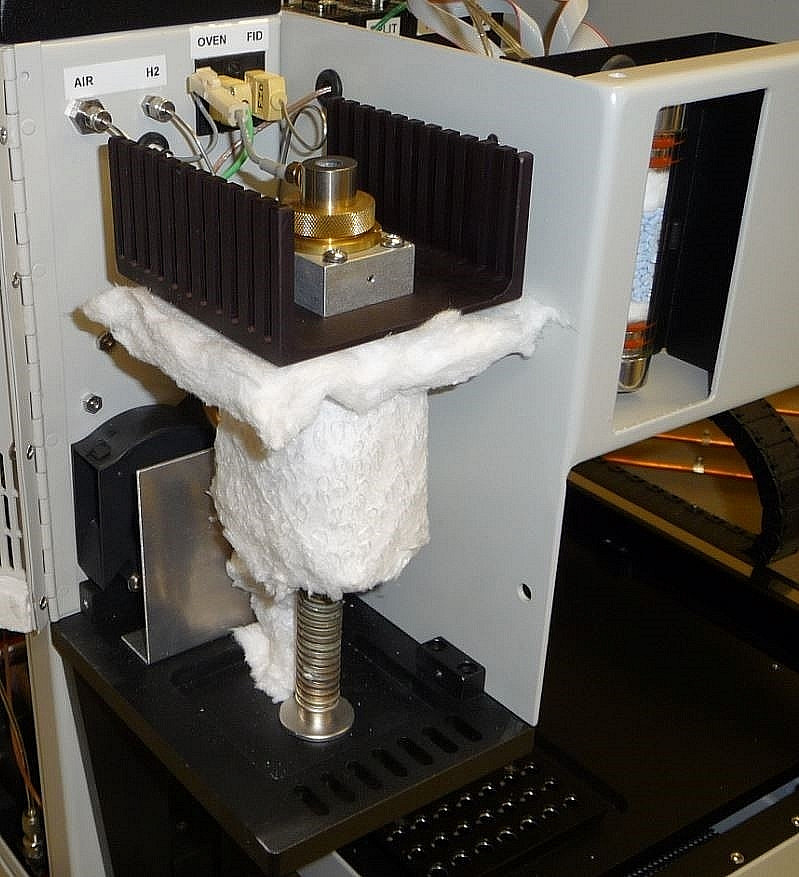
- The unique design of the crucibles and the furnace sealing system during preheating of the crucible (temperature up to 75°C) make it possible to avoid errors when studying mobile hydrocarbons.
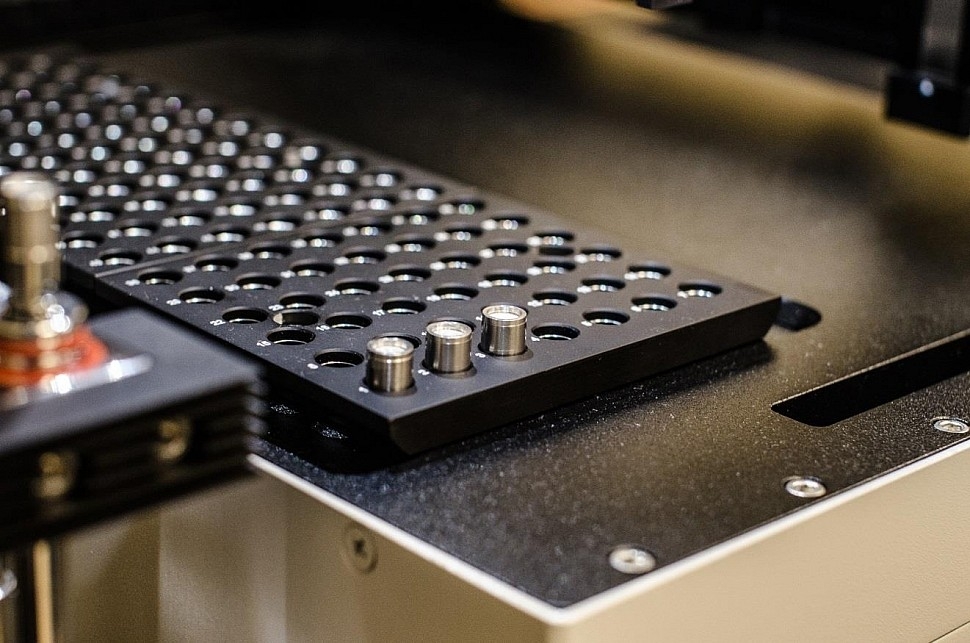
Samples are placed in a replaceable tray with crucibles that can hold 126 rock samples. To automate the experiment, the device is equipped with an autoloader.
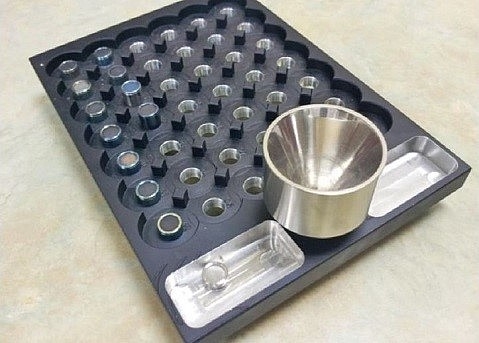
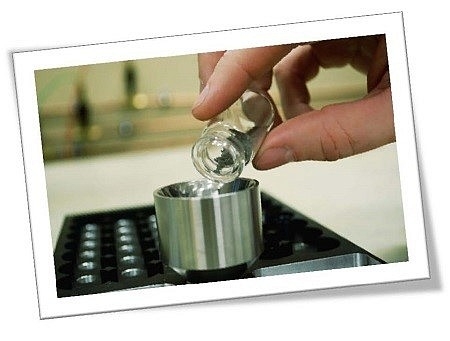
- Weighing and sample preparation are greatly accelerated by the use of convenient crucible trays and specialized stainless steel funnels.
- 2-stage diaphragm-type pressure regulator, made of stainless steel - designed to eliminate pressure pulsations.
- The latest microelectronics with a minimum number of electrical connections
-
The PyroSmart panel included with the meter displays information about the meter without the need for a computer. All additional parameters, including gas consumption, are saved in the database, that is, after reviewing the data on the current study, it is possible to view information about the experiment and test parameters in the database
- The HAWK RW package includes a PC equipped with HAWK-Eye software, which guarantees complete control and monitoring of the experiments.
- HAWK RW has small overall dimensions (width 48 cm x depth 50 cm x height 58 cm) and a minimum number of electronic wires
- Combined furnace for pyrolysis and oxidation. Using one oven for pyrolysis and oxidation keeps the oven cleaner than using two separate ovens. Using only one oven keeps the appliance cleaner due to the fact that hydrocarbons that are released in the oven during the pyrolytic cycle are displaced during the oxidative cycle. Thus, any contamination caused by the hydrocarbon formation process during pyrolysis is quickly cleaned through the oxidation process, during which air begins to circulate through the oven immediately after pyrolysis is completed, resulting in automatic regular cleaning of the oven.
- Thanks to laser welding of the furnace body and heater, these elements are a single thermal unit with excellent thermal conductivity, which does not change over the years, which ensures reliable operation of the furnace for many years (for example, HAWK devices in the Wild Cat laboratory have been operating for 3 years almost continuously mode and during this time no changes in their characteristics were noticed; the only maintenance carried out during this time was scheduled calibrations and replacement of the seal on the oxidation chamber). This technical solution significantly increases the product life cycle. When designing a device with 2 furnaces (as in other pyrolytic systems), an overhead heating element is used on the furnace, and, over time, due to contact of the heater with air, oxidation of the heater occurs, which worsens thermal contact and reduces thermal conductivity, and, in ultimately leads to heater failure.
- The diagnostic and quality control system includes monitoring of dryerite and standard samples. Drierite is used to monitor the current humidity in the device. If an emergency situation occurs during the experiment, the system sounds a sound signal and the experiment is automatically interrupted. The resulting pyrograms are analyzed online. This system guarantees the quality and reliability of the experimental data obtained. Also, the functionality of the diagnostic system includes gas flow monitoring.
- HAWK RW can be placed in a special protective case and transported to the field
- The design of the device is made using only three gas valves , which ensures maximum reliability of the device, the absence of gas leaks, as well as simplicity and ease of operation.
- Computer control of the flow of all gases during the experiment ensures maximum automation and minimizes labor costs.
- 3 main determining parameters of the crucible, ensuring the reliability and quality of the experiment:
- Extremely thin wall thickness to ensure maximum efficiency of heat transfer from furnace to sample;
- Large outer diameter to allow free passage of carrier gas (both helium and oxidizing air) through the sample, guaranteeing maximum sample surface area even with large volumes;
- Economical, easy-to-replace crucible strainers, placed one at a time on the surface and bottom of the crucible, significantly reduce the need to replace crucibles.
- Crucible parameters:
- Diameter 0.9 mm;
- Height 1.2 mm.
- Capacity 400 mg
- The generally accepted standard for issuing experimental results is the Rock Eval-2 standard. In this mode, the pyrogram is intentionally offset (error).
The HAWK system allows you to output data in both the Rock-Eval 2 and Rock-Eval 6 standard (with offset), as well as the true results of pyrolytic studies.
- Preheat zone HAWK = 57°C. In this temperature zone, leakage protection is provided due to reliable sealing.
- Computer control of the flow of all gases during the experiment ensures maximum automation and minimizes labor costs.
Automatic sample supply system (autoloader)The HAWK installation is a fully automated system with a user-friendly interface aimed at minimizing human labor costs during the experiment. The main part of the automation system is the robotic autoloader.
Autoloader characteristics:
- Robotic autoloader controlled by computer (HAWK-Eye software). It is a mechanized “arm” that programmably moves along the coordinate system of sample trays (crucibles).
- The samples are located outside the active zone of the system to ensure the possibility of changing crucibles at any time without interrupting the experiment.
- The maximum number of samples simultaneously loaded into pallets is 126 pcs. (42 crucibles per pallet, all three pallets can be loaded at the same time)
- Number of interchangeable pallets – 3 pcs.
- It is possible to perform experiments in different sequences of crucible loading - in automatic or manual mode.
- Automatic loading and unloading of samples from the experimental area.
- The system is equipped with induction sensors in the autoloader to monitor the extreme position of the robot and check the presence of a crucible in the pedestal.
- Induction sensors in the autoloader allow for reliable and precise fixation of crucibles in specified positions - which ensures the reliability of the autoloader.
- Samples are located in specialized replaceable trays.
Characteristics of crucibles:
- tada
- Diameter 0.9 mm;
- Height 1.2 mm;
- Capacity: up to 400 mg;
- Material: stainless steel;
- Minimum required amount of sample for the experiment: 50-100 mg;
- The presence of replaceable mesh screens made of stainless steel, one each on the surface of the sample and on the bottom of the crucible, to increase the service life of the crucibles;
- Possibility of replacing the screen when clogged or dirty.
- The generally accepted standard for issuing experimental results is the Rock Eval-2 standard (also used in the Rock-Eval 6 system). In this mode, the pyrogram is intentionally offset (error).
The HAWK system allows you to output data both in the Rock Eval-2 standard (with offset) and true pyrolytic and research results. - Preheat zone HAWK = 57°C. In this temperature zone, leakage protection is provided due to reliable sealing.
- Computer control of the flow of all gases during the experiment ensures maximum automation and minimizes labor costs.
Modern element base and architecture
- 3 chips
- Electronics based on modern micro-controller technologies
- Connecting to a computer via Ethernet local network
- Control and monitoring of experiment functions and parameters are performed automatically
- Saving experiment parameters (gas flow rate, temperature, etc.) in the database
Solid State Infrared CO and CO2 Sensor
- No moving parts
- Durable and made entirely of solid elements
- Compact (8” x 2” x 4.5”) (20 cm x 5 cm x 12 cm)
System calibration:
- Multi-point temperature calibration for maximum experimental reproducibility;
- Automatic calculation of the coefficients required by the system to accurately carry out the experiment using software;
- Possibility of choosing different calibration methods according to several standards;
- Ability to create your own calibration standard
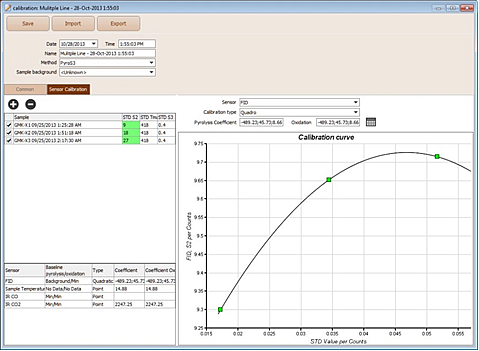
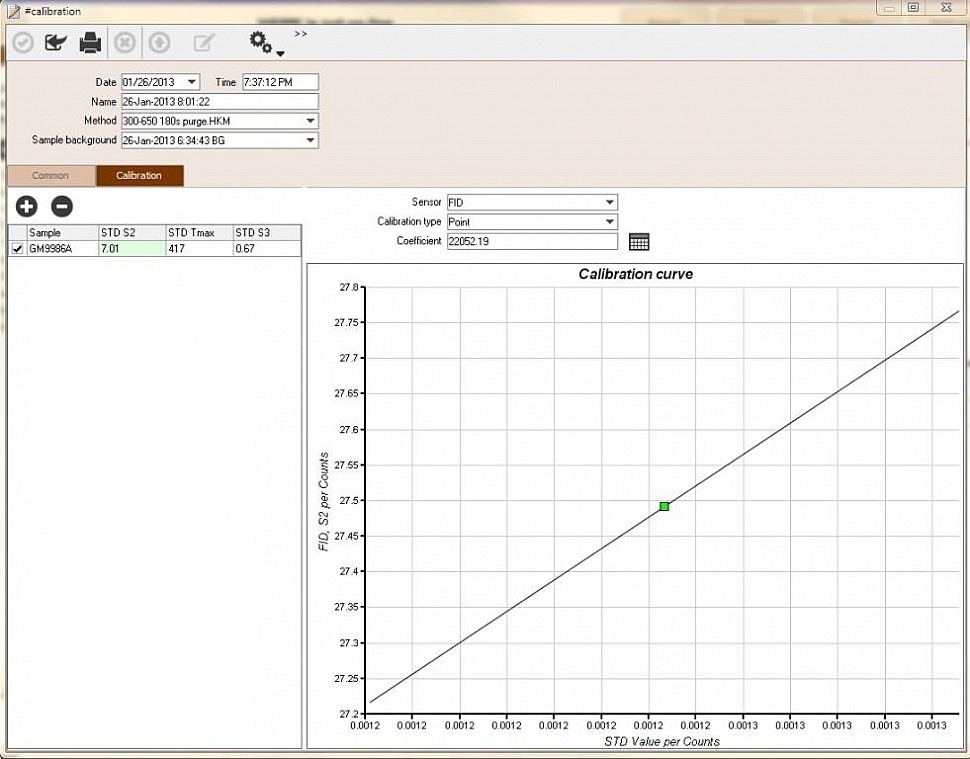
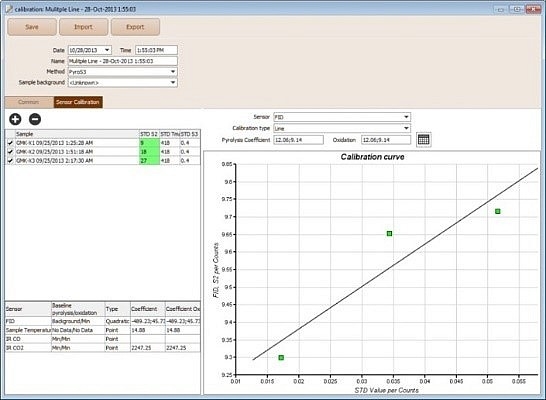
Examples of calibration: one and three points. Calibration at an unlimited number of points is possible.
System power consumption: 1500 W;
Power supply: Voltage – 120-220 V; 50-60Hz;
A high-precision uninterruptible power supply is included in the package.3 basic maintenance procedures:
- Replacing O-rings in the sample chamber and oven. The duration of the operation is 10 minutes. It is recommended to replace after every 500th experiment. To ensure reliable operation of the system, the software is equipped with a control function and notification of ring replacement.
- Cleaning the parting line. The duration of the operation is 15 minutes. The frequency of cleaning depends on the load intensity of the device.
- Cleaning the moisture trap. The duration of the operation is 3 minutes. Does not require additional devices.
If the IR detector malfunctions, it can be easily replaced.
The duration of the replacement operation is 5 minutes.
The low replacement time is due to the fact that the IR detector is a structurally autonomous part of the system. The old sensor is easily removed and a new IR sensor is inserted into its position.
All necessary training for maintenance work, troubleshooting and experimentation is included in the training course. Upon completion of training, a certificate of successful completion of training is issued.The following samples can be examined on a pyrolyzer:
- Sludge samples;
- Core samples;
- Samples of outcrop results.
Procedure for preparing for the experiment:
Cleaning the sample;
Sample grinding;
Accurate sample weighing.
Automatic adjustment of the system to the user
The HAWK installation has the ability to “adjust” and select different calibration modes depending on the degree of sample saturation. To do this, it is necessary to conduct an experiment on standard samples, which are included in the standard set of spare parts for the device. The system software will then automatically calculate the coefficients required by the system to accurately conduct the experiment.
The adjustment is made in the following sequence:- Empty and clean the crucibles;
- Conduct an experiment on a standard sample (provided by the manufacturer);
- Conduct experiments on new (unknown) samples;
- Every 10th experiment should be carried out on known samples to control, check and ensure that the system produces accurate experimental results.
HAWK reference materials are typically used as known references to verify system accuracy. WildCat provides the user with reference materials with known acceptable ranges shown in Table 1.
Test value of standard sample Meaning Acceptable range S1-Free oil (mg hydrocarbons/g rock) 0.18 0.27 - 0.09 (+/- 50%) S2-Kerogen yield (mg hydrocarbons/g rock) 9.02 8.11 - 9.92 (+/- 10%) S3 (mg CO2/g rock) 0.40 0.50 - 0.30 (+/- 25%) TOC (Total Organic Carbon) – total organic carbon content (weight %) 3.01 3.16 - 2.86 (+/-5%) Tmax-Maturity (°C) 418° 420° - 416° (+/- 2°) Thermostatic heating and cooling bath with adjustable temperature, 1 pc.
Thermostatic heating and cooling bath is designed to provide heating and cooling of wax deposition test circuits and restart to the required temperature.
Technical characteristics of the bath:
Automatic flow control valves, 1 set.
The system includes a set of automatic valves controlled by a computer station, which allows testing to be carried out automatically. Parts in contact with the test medium are made of stainless steel. The valves are equipped with a bursting disc.
HAWK-Eye SoftwareHAWK-Eye software provides a tabular and graphical set of analytical results characterizing the pyrolysis process (S1, S2, S3 and Tmax), total organic carbon content and inorganic carbon content thanks to accurate temperature values obtained from kinetic analysis. The software also makes it possible to obtain interpretive parameters such as hydrogen index HI, oxygen index OI, adsorption index (AI), oil saturation index OSI, production index PI), generative organic carbon GOC and non-generative organic carbon NGOC. The software also includes a calibration function.
HAWK-Eye software provides real-time test monitoring capabilities, including monitoring analysis and data output in multiple windows simultaneously.
The results of each test are stored in a database, which makes it possible to export the test report to an excel spreadsheet at any time.
Sample analysis time
- From 15 to 20 minutes for each sample when determining pyrolysis parameters and thermal release parameters
- Up to 40 minutes for simultaneous determination of pyrolysis parameters and total organic carbon, depending on the selected measurement method.
- Up to 1 hour for pyrolysis, determination of total carbon and CC (carbonate carbon - mineral carbon) for each sample, depending on the chosen measurement method.
Sample preparation
To work with HAWK, you must have an electronic analytical balance with a reading resolution of 0.1 mg (typical sample size 100 mg), a mortar, pestle and sample sieve (sieve mesh size - 60 mesh). Sample loading devices and spatula are included.
Gases
Gas Purpose Maximum flow rate used, ml/min Gas purity, % Helium* Carrying out pyrolysis 100 from 99.995 to 99.9995 Hydrogen To operate the FID detector 50 from 99.995 to 99.9995 Air To operate the FID detector 300 from 99.995 to 99.9995 Air (without CO2) Carrying out oxidation 250 from 99.995 to 99.9995 Pyrolysis and oxidation furnace for thermal destruction of hydrocarbons
Maximum oven temperature, °C: 850 Rate of temperature change in the furnace, °C/min: from 0.1 to 75 Sample crucible
Material: 316 stainless steel Capacity: maximum sample weight 400+ mg, recommended weight 100 mg Autoloader options
Type Robotic, automatic Boot Sequence Programmable, user defined Performance 126 simultaneously loaded crucibles,
3 interchangeable sample traysMeasuring instruments in the device
FID (Flame Ionization Detector) for determining the mass fraction of organic components - Brand: Agilent
- Measuring range: 1 µV to 2000 µV
- Linear dynamic range: ±10%
- Carrier gas: Helium
Infrared (IR) CO gas detector - Non-dispersive infrared detector
- Measuring range: 0 to 30000 ppm
- Measurement error: 1 ppm
- Dimensions of the detector block, mm: 200 x 50 x 120
- The duration of the sensor replacement operation is no more than 5 minutes.
- Each IR sensor is housed in a rigid housing.
- The detectors are resistant to vibration loads.
Infrared (IR) CO2 gas detector - Non-dispersive infrared detector
- Measuring range: 0 to 30000 ppm
- Measurement error: 1 ppm
- Dimensions of the detector block, mm: 200 x 50 x 120
- The duration of the sensor replacement operation is no more than 5 minutes.
- Each IR sensor is housed in a rigid housing.
- The detectors are resistant to vibration loads.
Thermocouple set – 3 pcs. - Oven Temperature Determination
- FID Detector Temperature Detection
- Determination of crucible temperature
Thermocouple diameter, mm: 1.5875
Temperature range, °C: from 25 to 850
Type: type KPerformance characteristics Dimensions (WxDxH), mm: 476.2 x 501.6 x 571.5 Own weight of the device, kg: 36 Power supply: 50 or 60 Hz, 110 or 220 V, 1500 kW